How a Commercial Roof Gets Replaced, Step by Step
Commercial roofing follows a fixed sequence, and skipping one step shows up as a leak two winters later. A roof asset survey comes first, then we schedule around your tenants so the building stays occupied.
- We measure every square and build a line-item roof estimate before a dumpster reaches the lot.
- Crews set scaffold and anchor points, and every worker ties into a safety harness before stepping onto the roof deck.
- We tear off the old membrane down to the substrate, or recover the assembly when building code and deck condition allow it.
- Wet insulation comes out, because trapped moisture wicks sideways and rots the decking underneath.
- New membrane goes down in staggered courses, self-adhered at the perimeter and adhered across the field.
- Flashing and counter-flashing close every penetration, parapet wall, and scupper before the crew packs up.
- We haul debris nightly and sweep for dropped fasteners around the dumpster and tenant entrances.
Choosing Between TPO, EPDM, Modified Bitumen, and Metal
System selection drives the warranty more than the brand name does. A white TPO membrane reflects summer heat, while EPDM rubber shrugs off UV degradation and standing water.
Modified bitumen suits buildings that need a torch-applied layer, and built-up roof assemblies still make sense where redundancy matters. We also install PVC single-ply, metal panel, and standing-seam panel systems, and we restore some roofs with a reflective roof coating instead of a tear-off.
- TPO membrane is a heat-welded white sheet that lowers cooling load on a sunny rooftop.
- EPDM is a black rubber membrane that tolerates ponding and long UV exposure.
- PVC membrane handles kitchen exhaust, where grease attacks other single-ply sheets.
- Modified bitumen pairs asphalt with polymer sheets set in hot adhesive under a granule cap.
- Built-up roof, or BUR, layers roofing felt and bitumen to build redundancy into the assembly.
- Metal panel and standing-seam panel systems use concealed fasteners for long service life.
- Roof coating in acrylic or silicone renews an aging membrane at a fraction of replacement cost.
- Insulation and cover board sit under the membrane, lifting energy efficiency and shielding the deck.
What a Roof Inspection Actually Looks For
A roof inspection hunts the process, not just the symptom. Water seeps at a failed lap, wicks along the deck, and finally stains a ceiling three rooms away.
We photograph every condition and hand you a written scope before any work is priced.
- Membrane blisters, splits, punctures, and open laps at the field course.
- Alligatoring and chalking on aged bitumen, plus granule loss on shingle surfaces.
- Ponding water that still sits 48 hours after a storm.
- Failed counter-flashing at the parapet, scupper, and coping edges.
- Rot, decay, and sag in the roof deck, sheathing, or fascia.
- Clogged gutter and downspout runs pushing water back under the eave.
Steep-slope details get the same attention. A pipe boot or pipe flashing surrounds every plumbing vent, and its rubber collar cracks long before the shingle above it fails.
Santa Rosa Conditions That Change the Work
Hot, dry summers with wildfire risk, frequent fog and morning dew, and heavy winter rains all act on one roof within the same year.
Thermal cycling peels sealant, UV erodes coatings, and winter water finds every gap we missed in August.
- Wildfire risk near Annadel State Park makes ember-resistant details and Class A assemblies worth the extra cost.
- Fog and dew keep the rooftop damp, which speeds corrosion on fasteners and metal panel edges.
- Winter storms drive rain sideways under overhangs, canopies, and awnings.
- Cold snaps build an ice dam at the eave, pushing meltwater back under the drip edge.
- Exposed hillside buildings in Fountaingrove and Rincon Valley see wind uplift that loosens fasteners and anchor plates.
Timelines, Cost Drivers, and What We Do Not Do
A commercial recover usually runs three to seven days on a mid-size building. A full tear-off with new insulation takes longer, and tenant coordination or dumpster placement often sets the schedule more than labor does.
- Square footage and roof pitch, since steep or multi-level roofs need more labor and more scaffold.
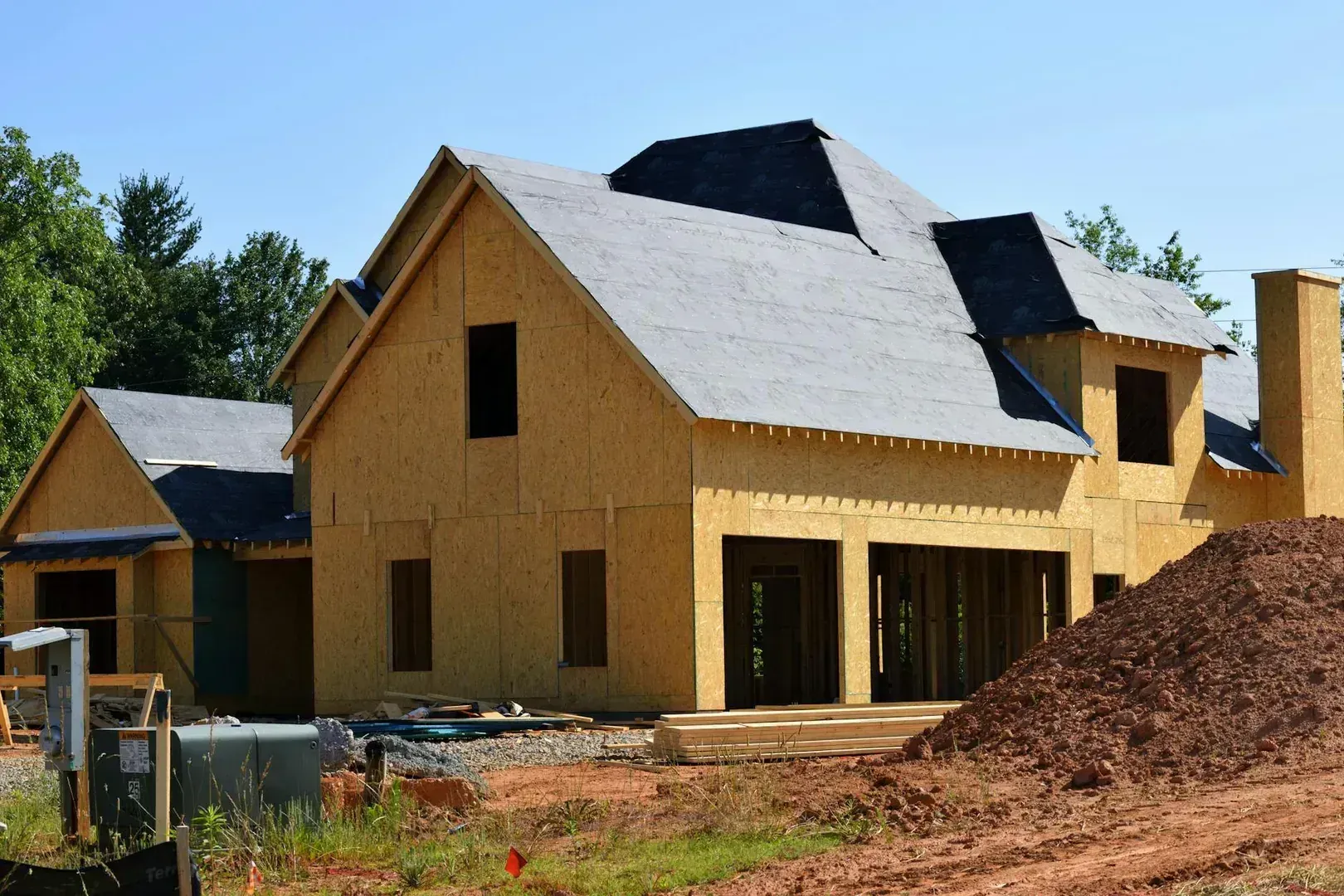
- Deck condition, because replacing plywood or OSB sheathing adds material and disposal cost.
- Membrane choice, since TPO and EPDM price differently and a 15-year NDL warranty costs less than a 30-year one.
- Penetrations, since each skylight, dormer, or chimney flashing adds detail labor.
- Access, since a mansard or gambrel roofline limits where a dumpster and ladder can park.
We work commercial and residential roofs, and we are a licensed and insured roofing contractor. We do not handle interior drywall, HVAC, or solar panel removal. Roof estimate requests get a written scope, and insurance claim assistance is available when storm damage is involved.